عکس-تصاویر زیبا سواحل شیشه ای


+ نوشته شده در دوشنبه ۱۳۹۰/۰۸/۳۰ ساعت ۱:۲۳ ب.ظ توسط پیمان طالبی پور
|

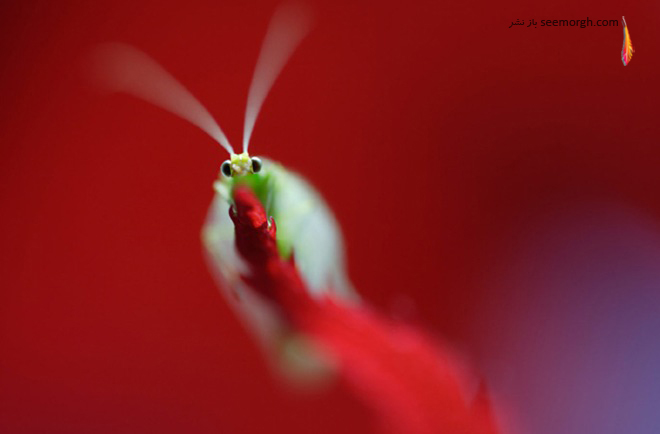

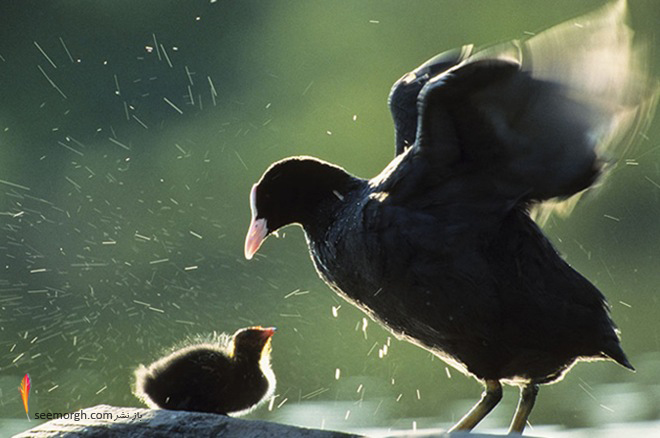
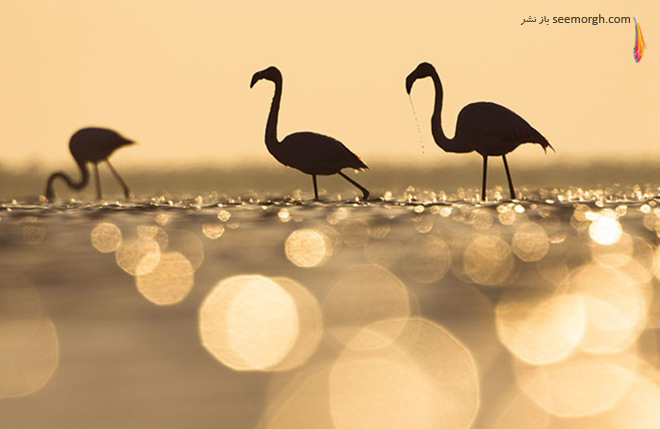

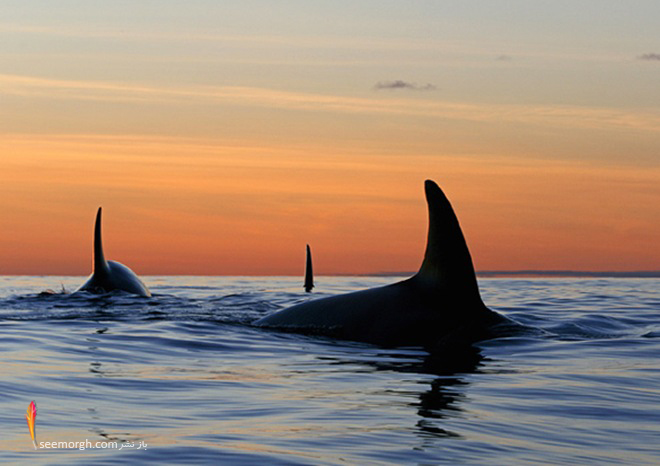


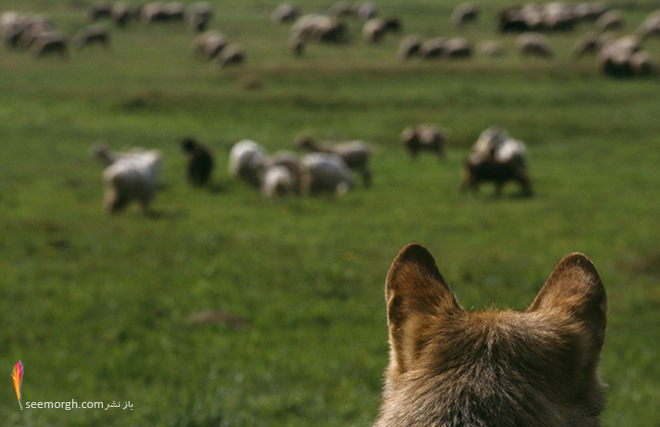
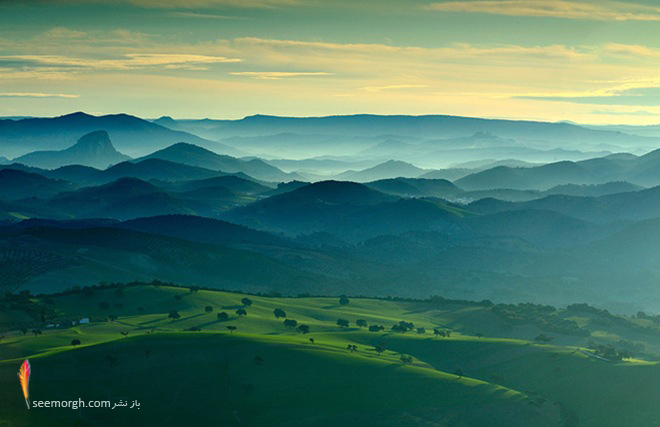
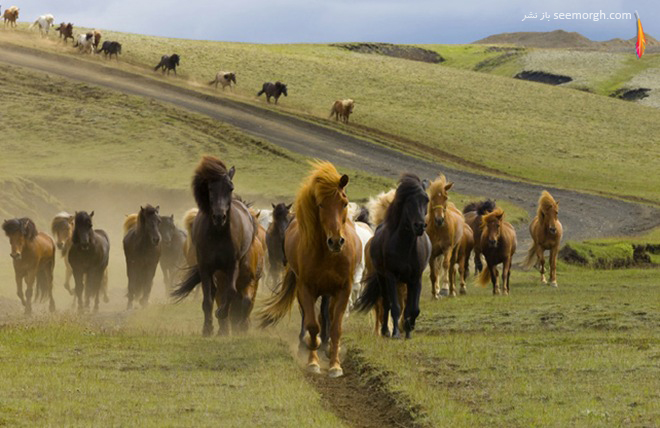

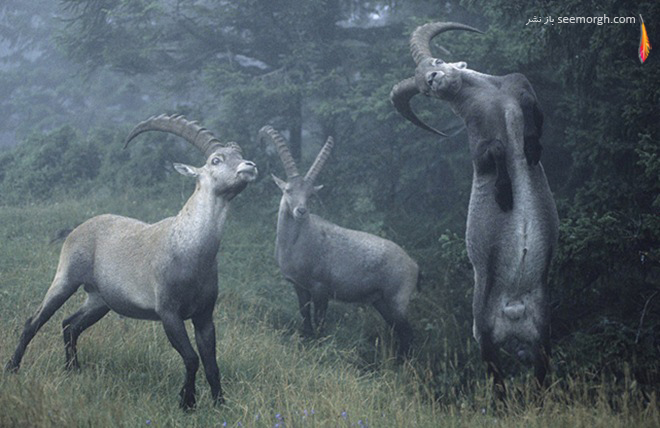
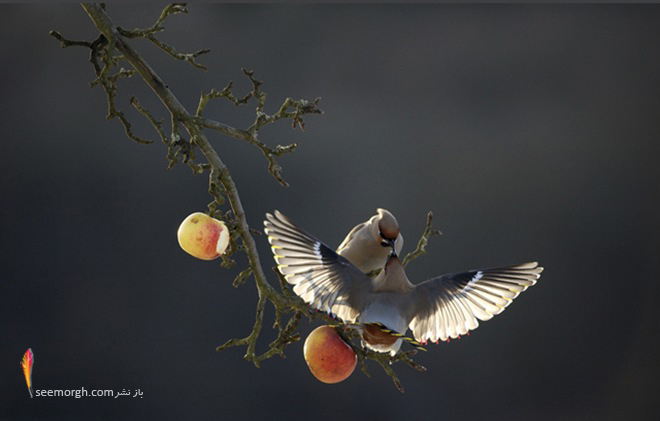
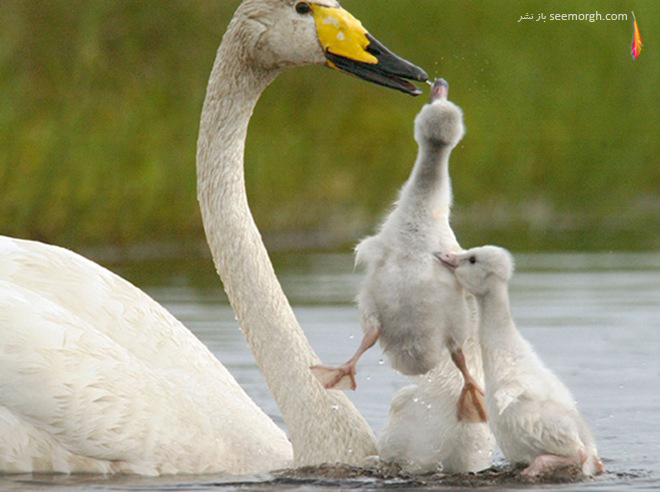

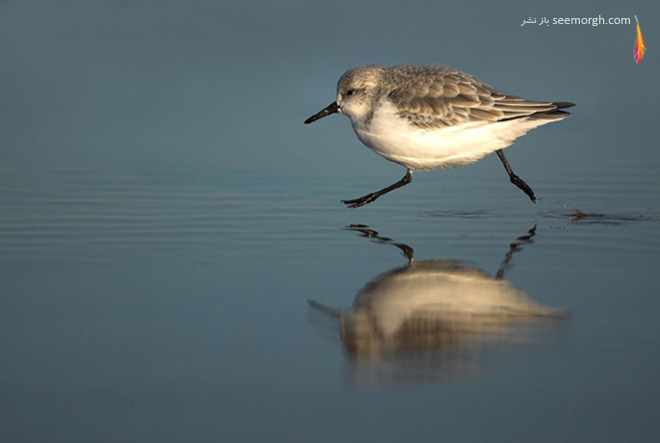
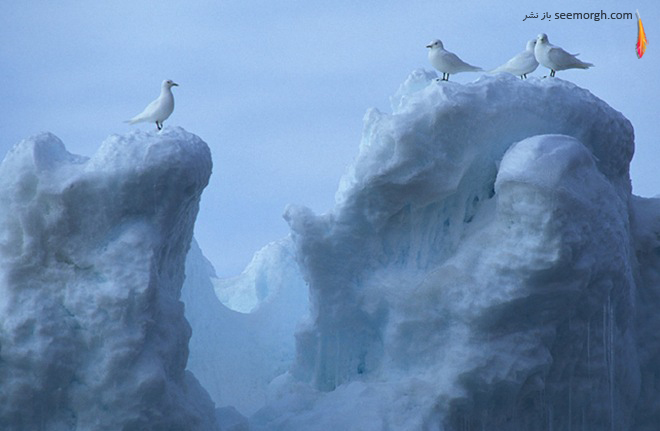
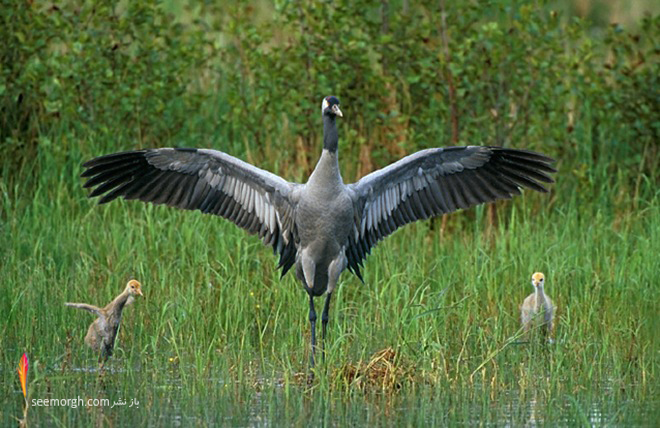

Up to 10,000 animal species are thought to migrate. Yet, increasingly, air, water and land routes are being destroyed by barriers ranging from roads, fences, dams and power lines to unsustainable hunting or fishing practices, habitat degradation, pollution and climate change.
One example is the critically endangered Irrawaddy dolphin, found in the Bay of Bengal and Southeast Asia. Barriers to its migration range from entrapment in fishing nets to conditions caused by gold mining and dam building.
Likewise, someone strolling through Norway's Fennoscandia region in the 1900s would have marveled at the abundance of lesser white-fronted geese, which then numbered in the thousands. Today, only 20 to 30 breeding pairs remain - the result, according to the World Wide Fund for Nature, of the drainage of wetlands in countries such as Greece and of hunting along the bird's migration routes.
In North America, one of the world's fastest land animals, the Pronghorn antelope, faces obstacles such as highways and fencing. The harsh winter last year left herds stranded and hungry, blocked by fences while they burned up their fat reserves searching for ways through. Similarly, in South Africa, 12 percent of blue cranes, South Africa's national bird, and 30 percent of Ludwig's bustards are dying annually in collisions with a growing number of power lines.
Climate change is also having a severe impact on the world's most peripatetic animals. Migratory species, from monarch butterflies to humpback whales, are suffering as a result of shifts in temperature and the disruption of the traditional timing, abundance and location of food sources.


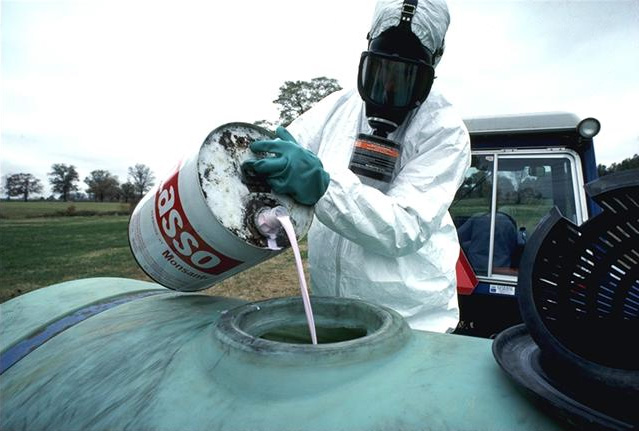
آفتکشها با هدف از بین بردن موجودات زنده مزاحم ساخته شده اند ، بنابراین در کاربرد آنها باید احتیاط و دقت زیادی نمود. با رعایت دستورات بر چسب ،اطمینان پیدا کنید که آفتکش ها بر سلامت شما، سلامت نزدیکان شما، مردم تاثیرسوء نگذارند یا به گیاهان غیر هدف، آب، خاک یا حیات وحش صدمه نزنید. بواسطه خطر بالقوه برای سلامتی، هر کسی که با آفتکش ها سروکار دارد بایستی بیشترین توجه را نسبت به آنها مبذول دارد و اقدامات حفاظتی ضروری را طبق دستورات بر چسب در مواجه با خطرات بکار گیرد.

مواد شیمیائی سمی می توانند موجب آسیب زدن یا مرگ افراد در اثر دخالت در وظایف بیو شیمیائی و فیزیولوژیکی بدن آنها گردند. آفتکش ها می توانند از طریق پوست ، دهان ، بینی ، چشم و از طریق تزریق تصادفی وارد بدن شوند. جذب پوستی محتمل ترین راه برای ورود آفتکش به داخل بدن می باشد. خطر جذب پوستی هنگامی بسیار زیاد است که هوا گرم و مرطوب باشد و پوست در اثر عرق کردن خیس شده باشد. ماهیت و شدت آسیب بستگی به سمیت ماده شیمیائی و مقدار سم وارده شده به بدن دارد.
 این وبلاگ با هدف گسترش فرهنگ حفاظت محیط زیست ایجاد و سعی بر ارتقا سطح آگاهی و همچنین ایجاد تلنگری در خصوص اهمیت محیط زیست و حفظ آن است.کارشناس ارشد مهندسی محیط زیست و عاشق طبیعت ایران زمین هستم و هدفم بالابردن فرهنگ زیست محیطی جامعه از طریق فراهم کردن اطلاعات مورد نیاز است